

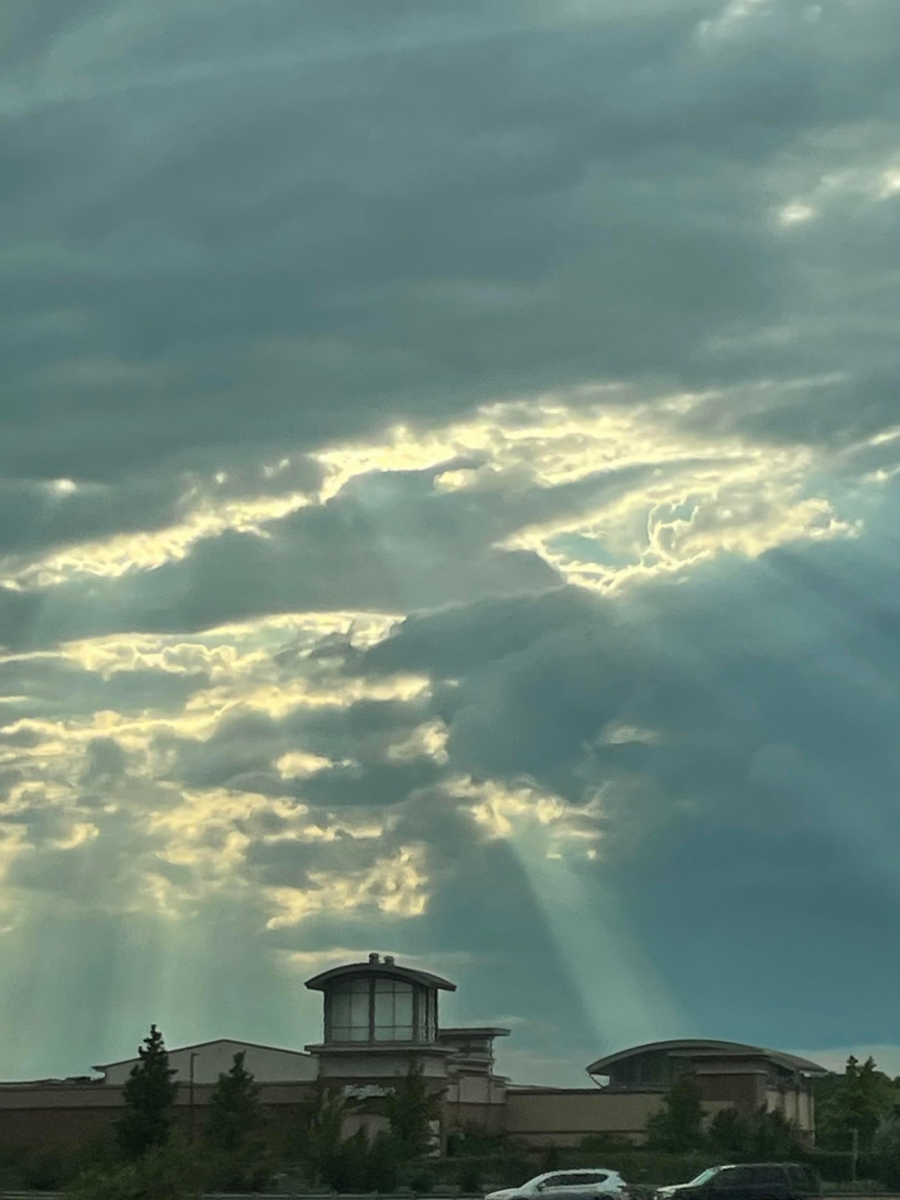
Deep freezes, heatwaves, and high winds, spring in Virginia has never been predictable but this year has been especially chaotic.
As flowers begin to bloom, residents across the state are beginning to experience a dramatic mix of weather conditions that seem to fluctuate day by day. Virginia has long been known for swings with its weather, but even longtime locals are caught off guard by the severity of it as of late.
March alone brought with it a slew of weather events: a deep freeze, followed by summer-like warmth, only to bounce right back into snowfall. On top of that, high wind speeds and perfect storm conditions created Virginia’s most significant tornado threat since 2016. With weather patterns being as unpredictable as they are, it feels like anything could happen next.
And, strangely enough, something did happen.
On Saturday, Mar. 21, a 6.6 magnitude earthquake struck in the middle of the Atlantic Ocean. Although the quake occurred far offshore, its effects were reportedly felt by residents of Reston, who described brief shaking of their homes on social media.
So what’s causing all of this? Can Virginia’s wild weather be chalked up to just randomness or is there a larger explanation?
The answer to both of those questions is yes.
Human-caused climate change doesn’t always have an impact on every extreme weather event, but it plays a role in the severity and frequency of them. When mixed with naturally occurring events like El Niño, the results are especially dramatic.
El Niño is a natural climate phenomenon that happens when warmer-than-average sea temperatures of the Pacific Ocean rise to the surface. This shift in ocean temperatures can disrupt global weather patterns causing things like extreme flooding, droughts, and stronger storms in different regions across the globe. El Niño reoccurs every three to five years, with the last El Niño year lasting from 2023-2024. The exact opposite of an El Niño is an El Niña which brings about colder winters due to a cooling of the Pacific Oceans surface temperatures. El Niña brings with it its own set of problems, such as the 2011 tornado outbreak through the midwest which brought about 553 confirmed deaths in the United States.
The problem with this year’s El Niño is that it’s beginning a year earlier than it should, which may be contributing to already unstable weather conditions.
According to the UN, Earth’s climate is currently more out of balance than it has ever been. This issue is driven by the fact that “our planet is gaining much more heat energy than it can release, driven by emissions of warming gases such as carbon dioxide,” according to The World Meteorological Organization. This energy imbalance has led to significantly warmer oceans fueling stronger and more unpredictable weather events.
To counteract this, UN Secretary General Antonio Guterres has called for countries to move away from fossil fuels and integrate renewable energy into everyday use in order to make an attempt at stabilizing the climate.
While Virginia weather will always remain unpredictable in nature, the growing severity of these events may point to something bigger. The combination of the naturally occurring El Niño and the rapid effects of climate change is creating conditions that are becoming harder and harder to anticipate. If climate instability continues, what feels unusual now may soon become the new normal which is why it’s more important than ever to understand and prepare for the effects of climate change.